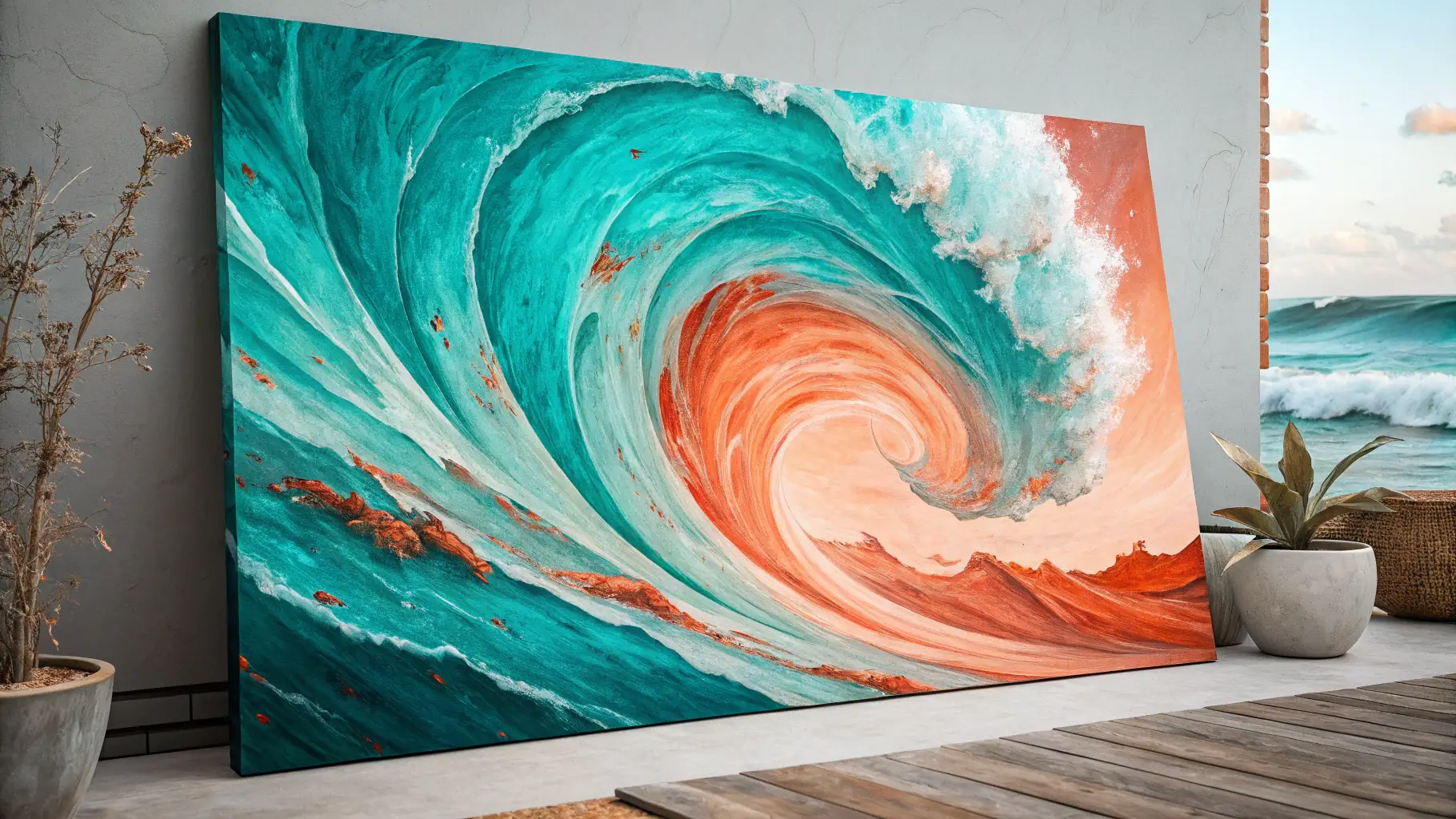
Color plays a crucial role in abstract art, often serving as the primary means of conveying emotion and atmosphere. Artists use color to evoke feelings, create visual harmony, and draw the viewer into the piece. The interplay of colors can create a sense of depth and movement, or a feeling of stillness and serenity. Color choices can also reflect the artist’s personal experiences and interpretations of the world. Different colors evoke different responses in viewers. Warm colors like reds and yellows can create a sense of energy and excitement, while cool colors like blues and greens can evoke feelings of calmness and serenity. Artists often use contrasting colors to create visual interest and draw attention to specific elements within the artwork. The use of complementary colors can create a vibrant and dynamic effect. Understanding the symbolic meaning of colors is also important in appreciating abstract art. Different cultures and societies may associate specific colors with particular emotions or ideas. For example, red might symbolize passion or danger, while blue might represent peace or tranquility. By understanding these cultural associations, viewers can gain a deeper appreciation for the artist’s intent and the message conveyed through their artwork. The artist’s personal interpretation of color can also add layers of meaning to the piece.


